

 English
 Español
 Deutsch
 中文简体
中文简体
Consulta de productos
Su dirección de correo electrónico no se publicará. Campos obligatorios marcados *
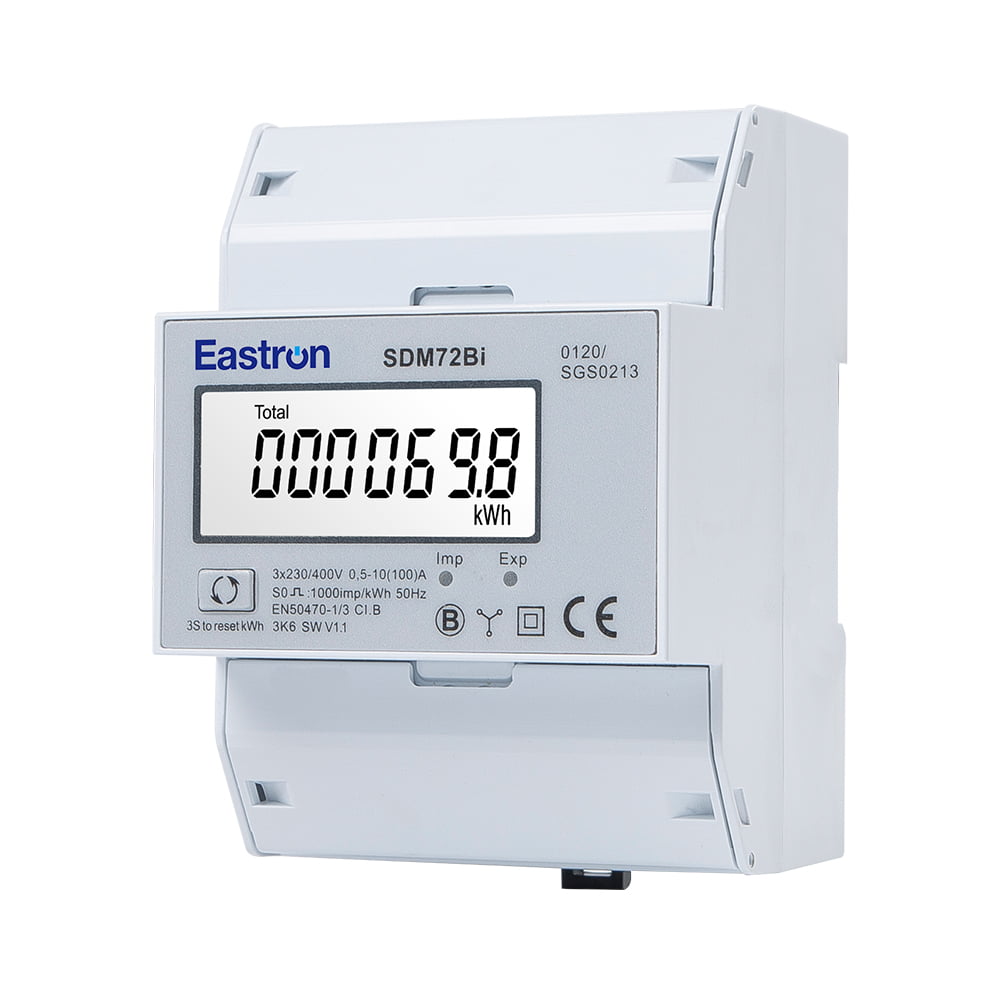
Medidor de kWh trifásico con CT: guía práctica de selección, cableado y precisión
Oct 20,2026
Medidor de energía trifásico con CT: cómo elegir, cablear y especificar el correcto
Oct 14,2026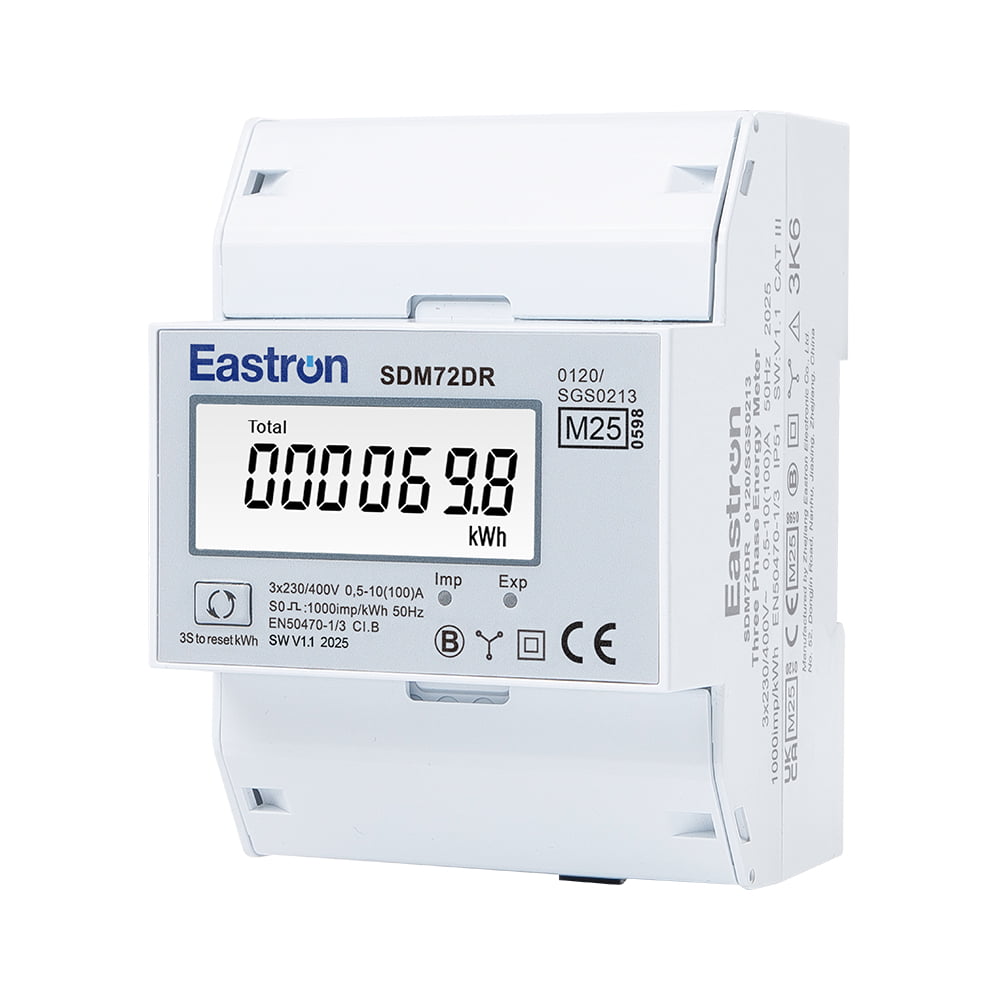
Guía de medidores de energía operados por CT trifásico: selección, cableado y precisión
Oct 09,2026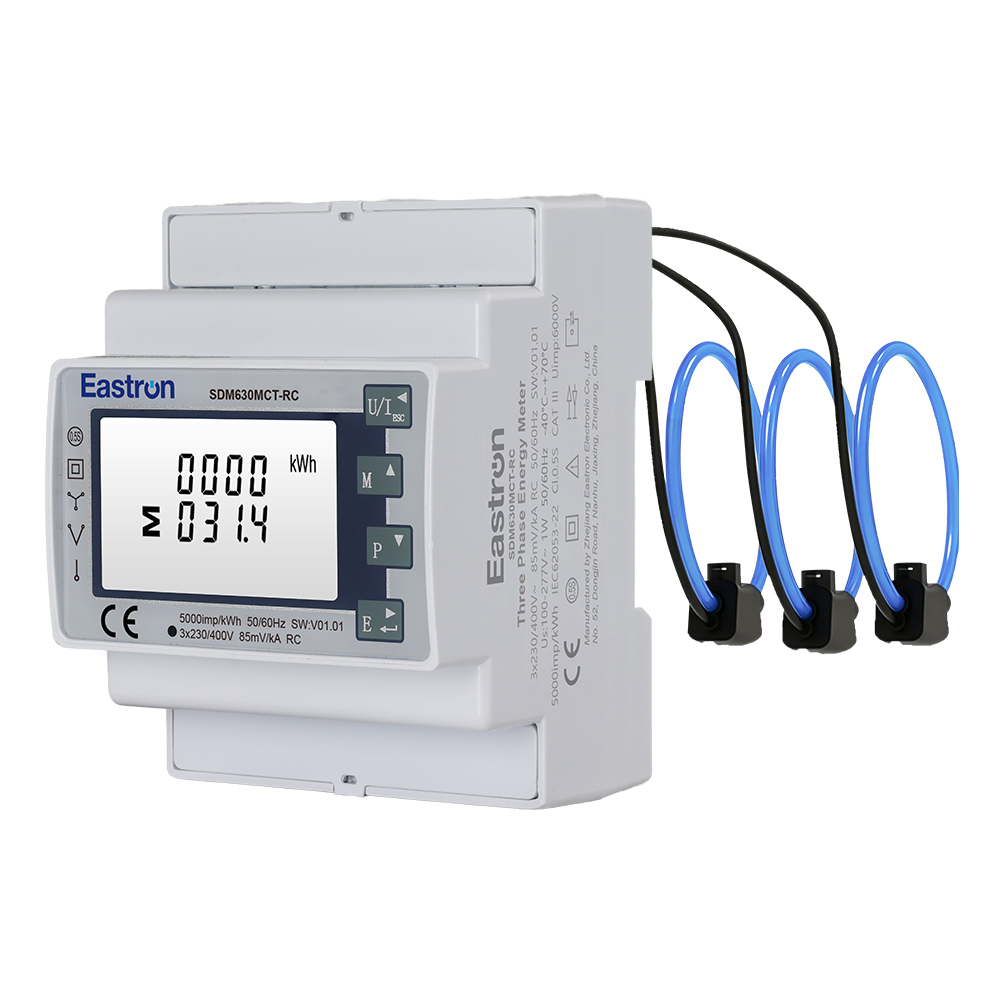
Guía de medidores CT trifásicos: cómo elegir, instalar y cablear medidores operados por CT
Sep 28,2026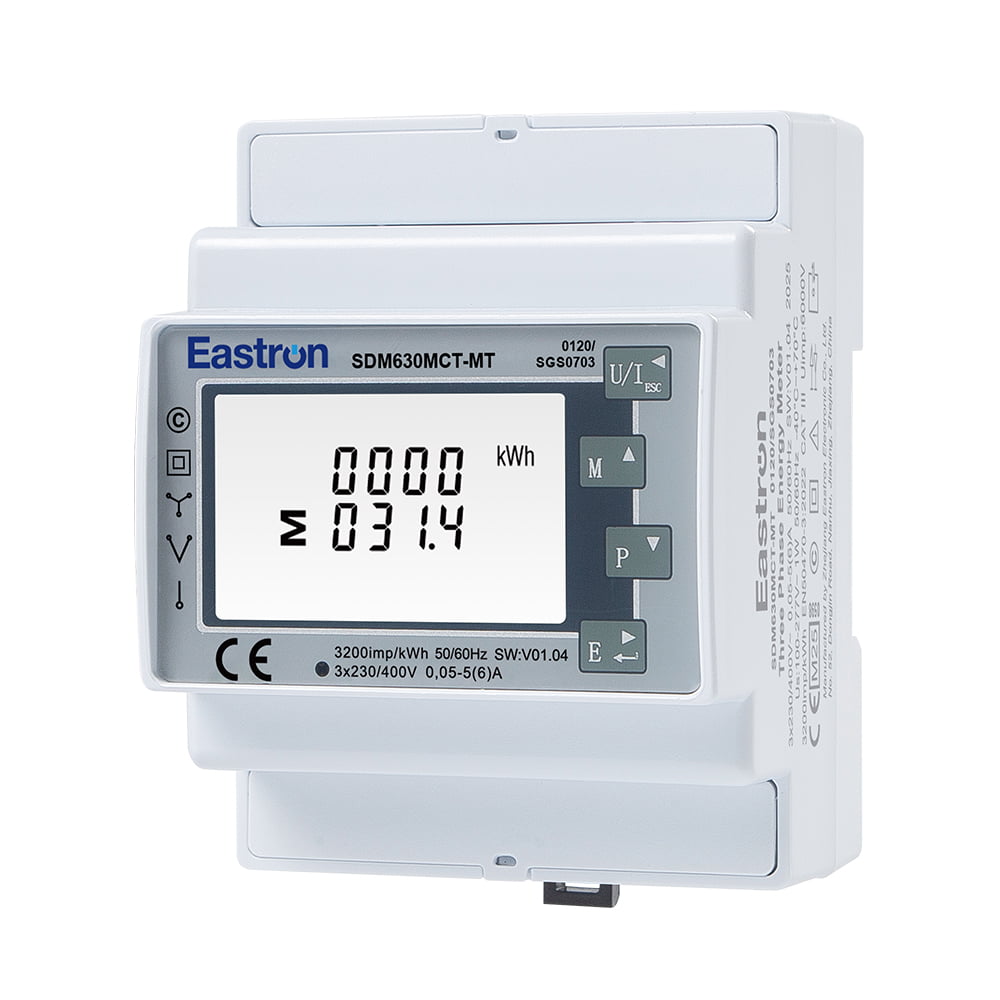
Medidores de energía listados por UL y ETL: certificación de seguridad, aplicaciones y guía de compra
Sep 21,2026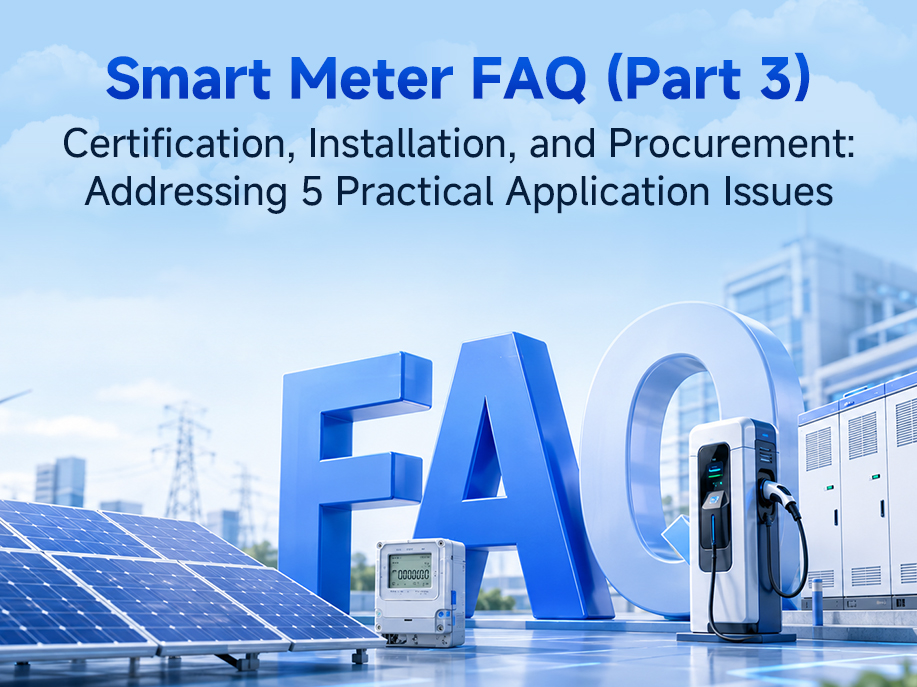
Preguntas frecuentes sobre medidores inteligentes (Parte 3) | Certificación, instalación y adquisición: abordar cinco cuestiones prácticas de aplicación
Sep 20,2026
Medidor de energía multifunción: cómo elegir el adecuado para facturación y monitoreo
Sep 17,2026
Preguntas frecuentes sobre medidores inteligentes (Parte 2) | Un análisis de comunicación, precisión y funciones básicas
Sep 11,2026
A medida que aumenta la demanda de potencia informática de IA, ¿cómo está evolucionando la gestión de energía en los centros de datos?
Sep 11,2026
¡Reconocimiento de la industria una vez más! Eastron Electronic gana el premio "Marca auxiliar y materiales fotovoltaicos influyentes 2026"
Sep 11,2026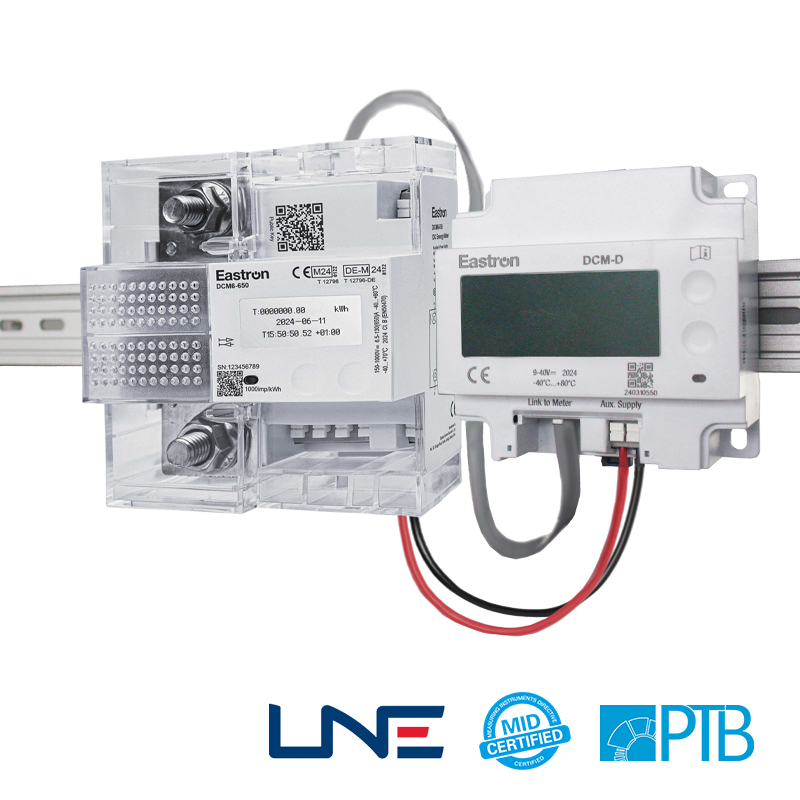
Guía de contadores de energía en carril DIN: tipos, precisión, comunicación y selección
Sep 09,2026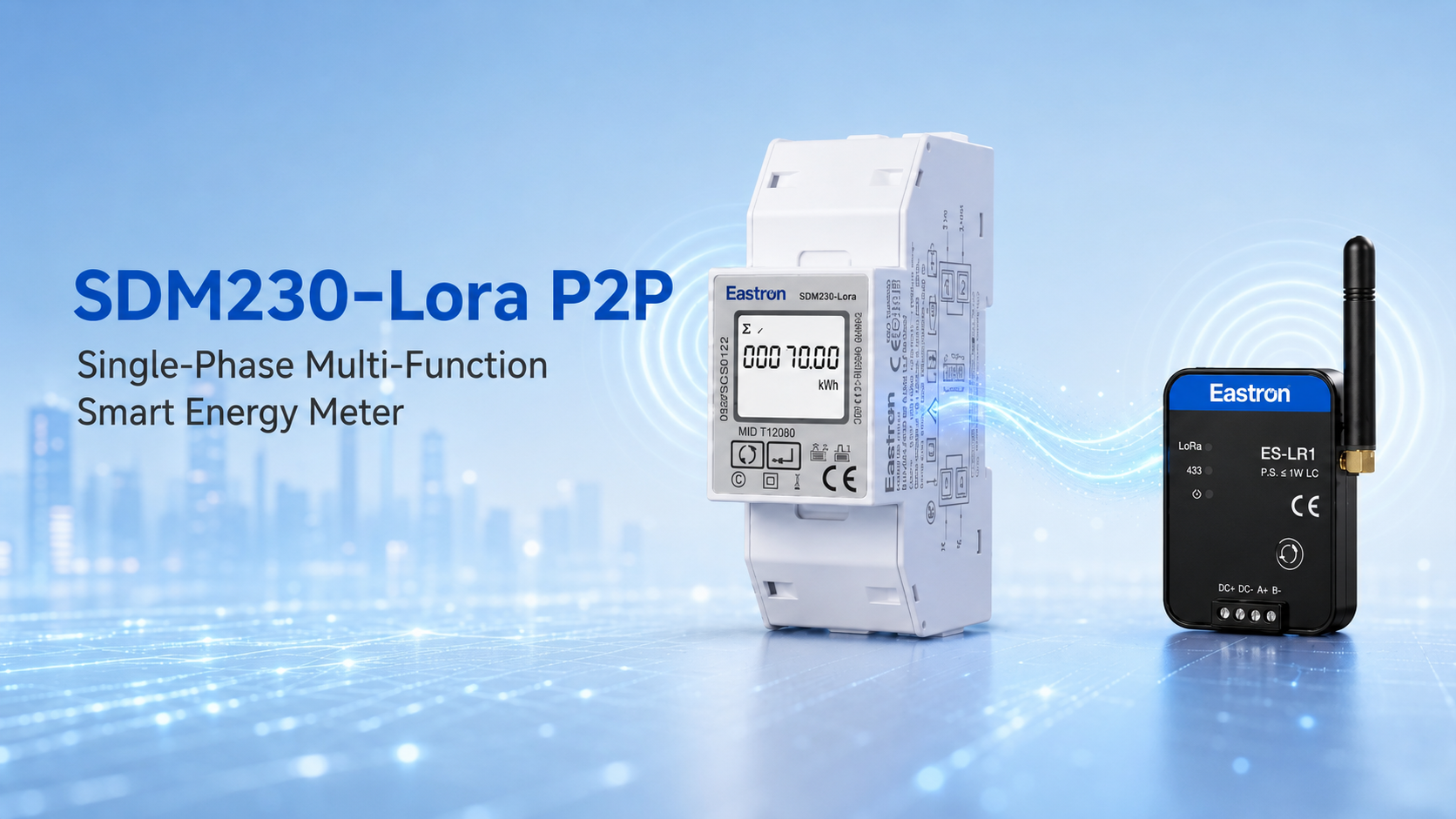
Conectividad simplificada y sin puerta de enlace | Eastron SDM230-Lora P2P marca el comienzo de una nueva era de monitoreo de energía inalámbrico
Sep 04,2026Contenido
En los modelos tradicionales de gestión de la energía, las empresas normalmente evaluaban su uso de energía a través de facturas de electricidad mensuales o informes periódicos. Si bien fue eficaz cuando la estructura de poder era relativamente estable, este enfoque se está volviendo inadecuado a medida que aumenta la proporción de nuevas fuentes de energía y se acelera la comercialización del sector energético. Las empresas se están dando cuenta de que el cuello de botella en la gestión de la energía está pasando de una “capacidad de equipo insuficiente” a una “falta de datos en tiempo real”.
Los datos energéticos en tiempo real están evolucionando de una mera información complementaria a una capacidad fundamental para las operaciones del sistema energético.
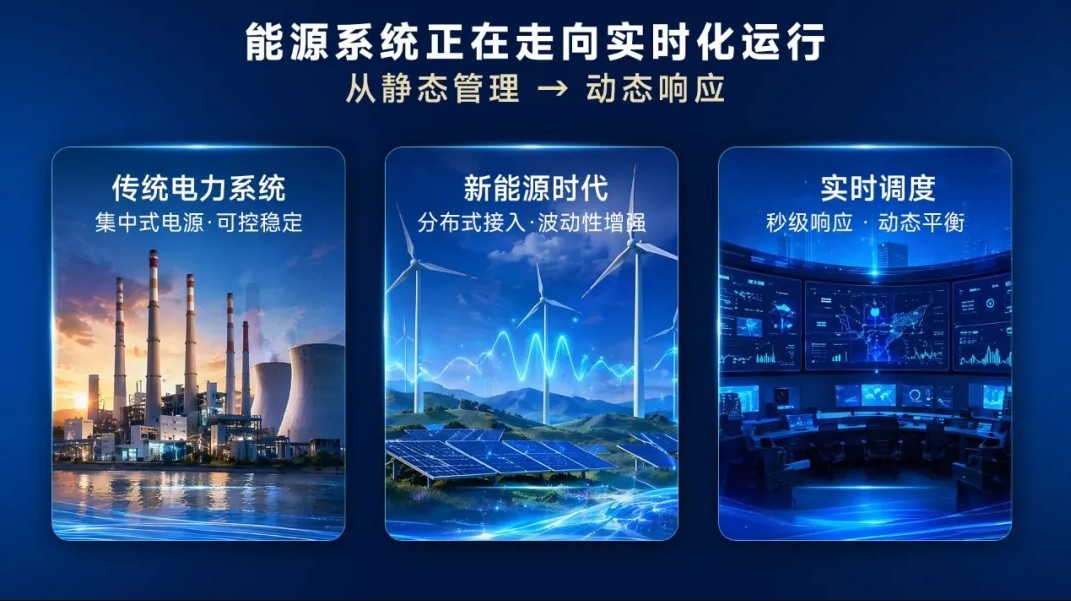
Los cambios en los sistemas energéticos se deben principalmente a ajustes estructurales por el lado de la oferta. Con la integración a gran escala de la energía solar, la energía eólica y el almacenamiento distribuido de energía, la estabilidad del sistema eléctrico está pasando de un estado de "suministro controlable" a uno de "fluctuación dinámica".
Los sistemas de energía tradicionales dependían de fuentes de energía centralizadas con rutas de despacho claras y estables; por el contrario, las nuevas fuentes de energía son inherentemente intermitentes y requieren que el equilibrio de energía se ajuste dinámicamente en períodos de tiempo mucho más cortos.
En este contexto, el sistema energético ya no es una estructura estática sino una entidad dinámica y en constante cambio. Mantener un funcionamiento estable requiere la capacidad de percibir el consumo de electricidad y los estados de generación en tiempo real.
La importancia de los datos energéticos en tiempo real no radica simplemente en “ver más rápido el uso de la electricidad”, sino en alterar fundamentalmente la forma en que se toman las decisiones de gestión energética.
A medida que los mecanismos de fijación de precios de la electricidad se vuelven cada vez más impulsados por el mercado, los precios por tiempo de uso y al contado se están convirtiendo en la norma, y la diferencia de costos para la misma unidad de electricidad se amplía en diferentes períodos de tiempo. Esto cambia el enfoque del uso de electricidad de la “gestión del volumen agregado” a la “optimización temporal”.
En este entorno, el valor central de los datos en tiempo real se manifiesta en tres áreas clave:
Optimización dinámica de los costes eléctricos. Las empresas pueden ajustar de manera flexible sus estrategias de consumo en función de los precios y las condiciones de carga en tiempo real, reduciendo así los costos generales de energía.
Apoyando el despacho coordinado de almacenamiento de energía y cargas flexibles. Ya sea para determinar estrategias de carga/descarga para sistemas de almacenamiento de energía o gestionar cargas en estaciones de carga y centros de datos, la toma de decisiones en tiempo real se basa en datos de alta frecuencia.
Mejorar la eficiencia operativa general del sistema energético. En redes energéticas cada vez más complejas, los datos en tiempo real permiten pasar del “análisis posterior al evento” a la “optimización durante el proceso”, mejorando así la eficiencia energética general. Básicamente, los datos energéticos en tiempo real están transformando los sistemas energéticos de meras “herramientas estadísticas” a “herramientas operativas”. Este proceso está ampliando los requisitos de adquisición de datos desde el nivel del sistema hasta el nivel de los dispositivos de campo individuales.
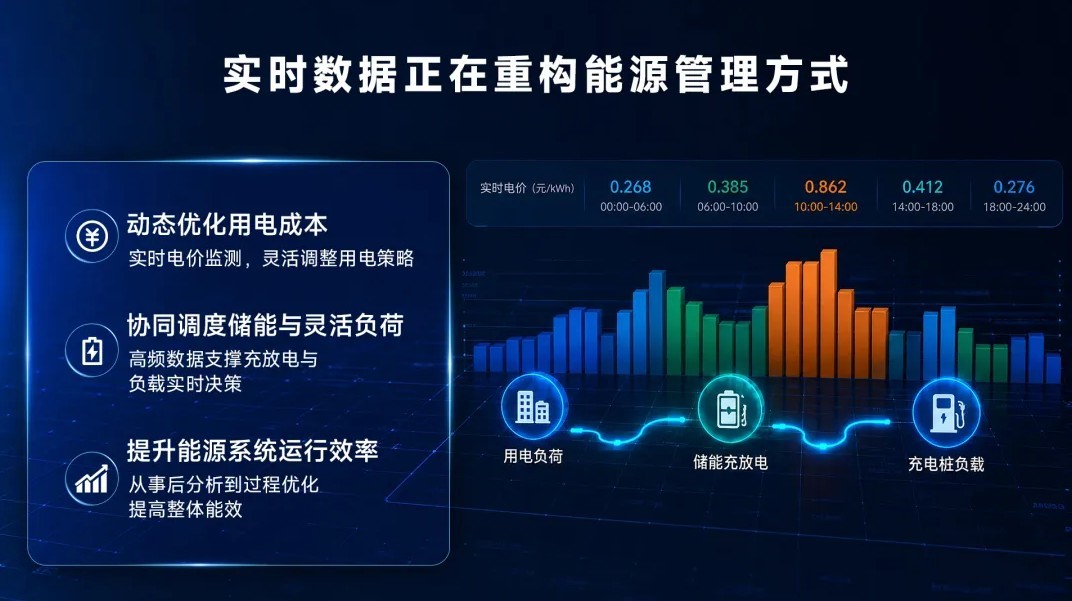
A medida que los sistemas energéticos pasan a la era del funcionamiento en tiempo real, el papel de los dispositivos tradicionales de medición de electricidad está cambiando.
En el pasado, la función principal de un medidor de electricidad era la medición y facturación; En el panorama energético actual, los medidores inteligentes están evolucionando hasta convertirse en la “puerta de entrada de datos” para los sistemas energéticos.
Esto significa que los contadores ya no son sólo dispositivos terminales que registran el consumo de electricidad; ahora deben poseer capacidades mejoradas de adquisición de datos, una eficiencia de comunicación superior y la versatilidad para adaptarse a diversos escenarios energéticos, como sistemas fotovoltaicos (PV), sistemas de almacenamiento de energía, infraestructura de carga de vehículos eléctricos y microrredes industriales/comerciales.
La propuesta de valor de los dispositivos de medición se ha expandido desde la mera “precisión de la medición” hasta abarcar la “capacidad de datos en tiempo real” y la “conectividad del sistema”.
Impulsados por esta tendencia, los propios medidores inteligentes están experimentando actualizaciones continuas.
Tome la serie Eastron SEM de Medidores de energía , por ejemplo: admiten velocidades de actualización de datos de hasta 50 ms, proporcionando datos continuos y de alta frecuencia en tiempo real para sistemas fotovoltaicos, de almacenamiento de energía y de gestión de energía. Esto permite que los sistemas detecten cambios de carga y fluctuaciones operativas más rápidamente, mejorando así la capacidad de respuesta en el despacho y la optimización de la energía. Además, la serie presenta múltiples interfaces de comunicación y una excelente compatibilidad del sistema, lo que la hace adecuada para una amplia gama de aplicaciones energéticas.
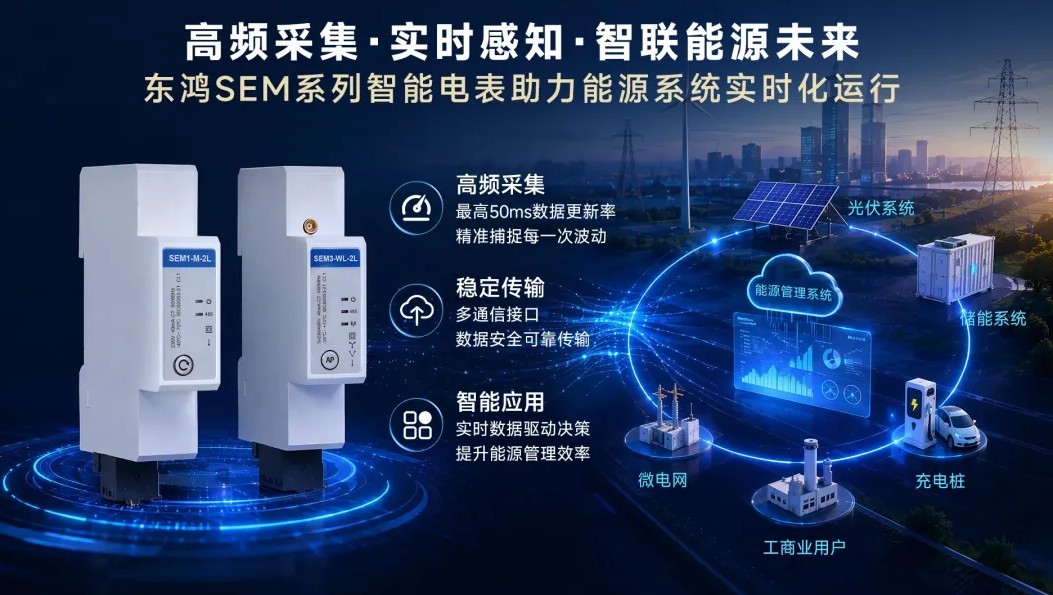
A medida que los sistemas de energía operan cada vez más en tiempo real, los medidores inteligentes capaces de adquirir datos de alta frecuencia, como la serie Eastron SEM, se están convirtiendo en componentes fundamentales vitales de los sistemas de energía digitales.
Visto en términos generales, la industria energética está pasando de estar “impulsada por equipos” a “impulsada por datos”.
La competencia futura dentro de los sistemas energéticos dependerá no sólo de la capacidad de generación de energía o la escala del equipo, sino también de la capacidad de adquirir y utilizar datos energéticos en tiempo real.
En este contexto, los datos energéticos en tiempo real ya no son sólo información; se está convirtiendo en una parte integral del propio sistema energético. Para la gestión de la energía, la verdadera transformación no radica simplemente en "ver más rápido", sino en la capacidad del sistema para operar en tiempo real.
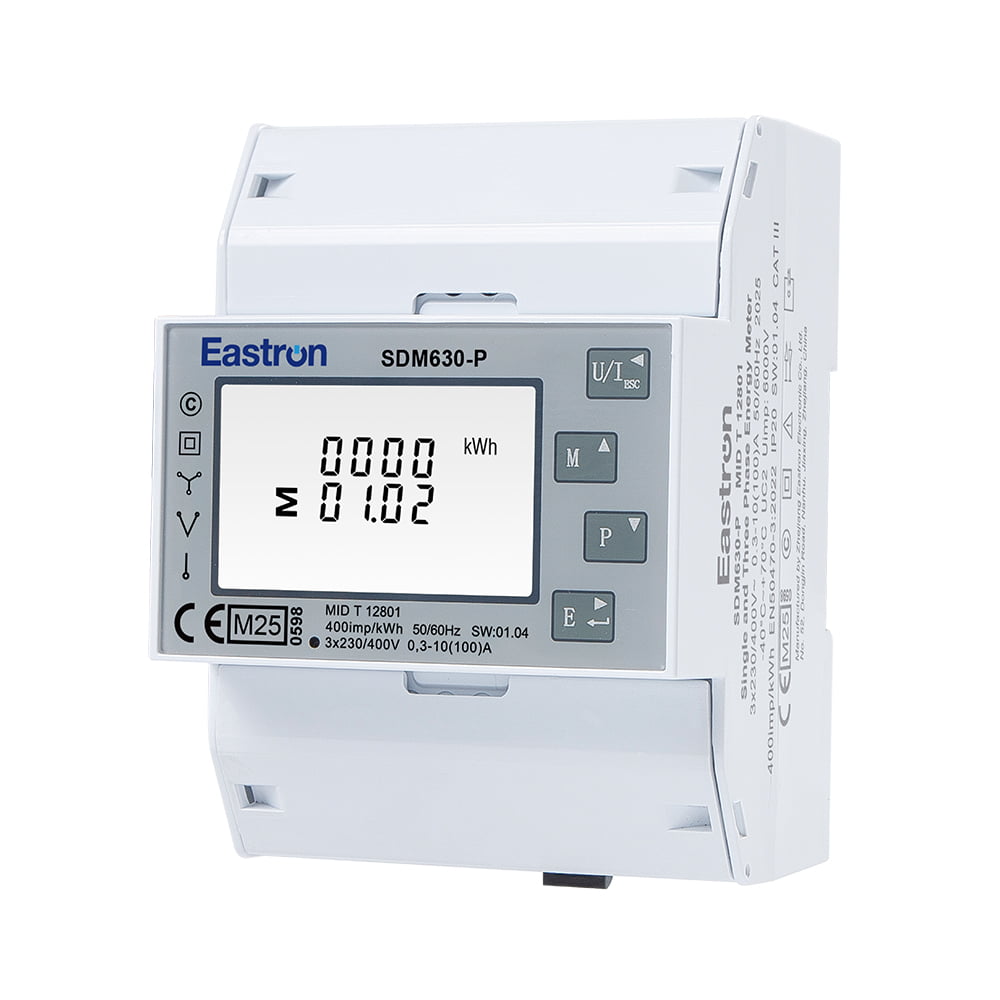
¿Qué hace que un medidor de energía MID trifásico sea legalmente preciso?
Jul 09,2026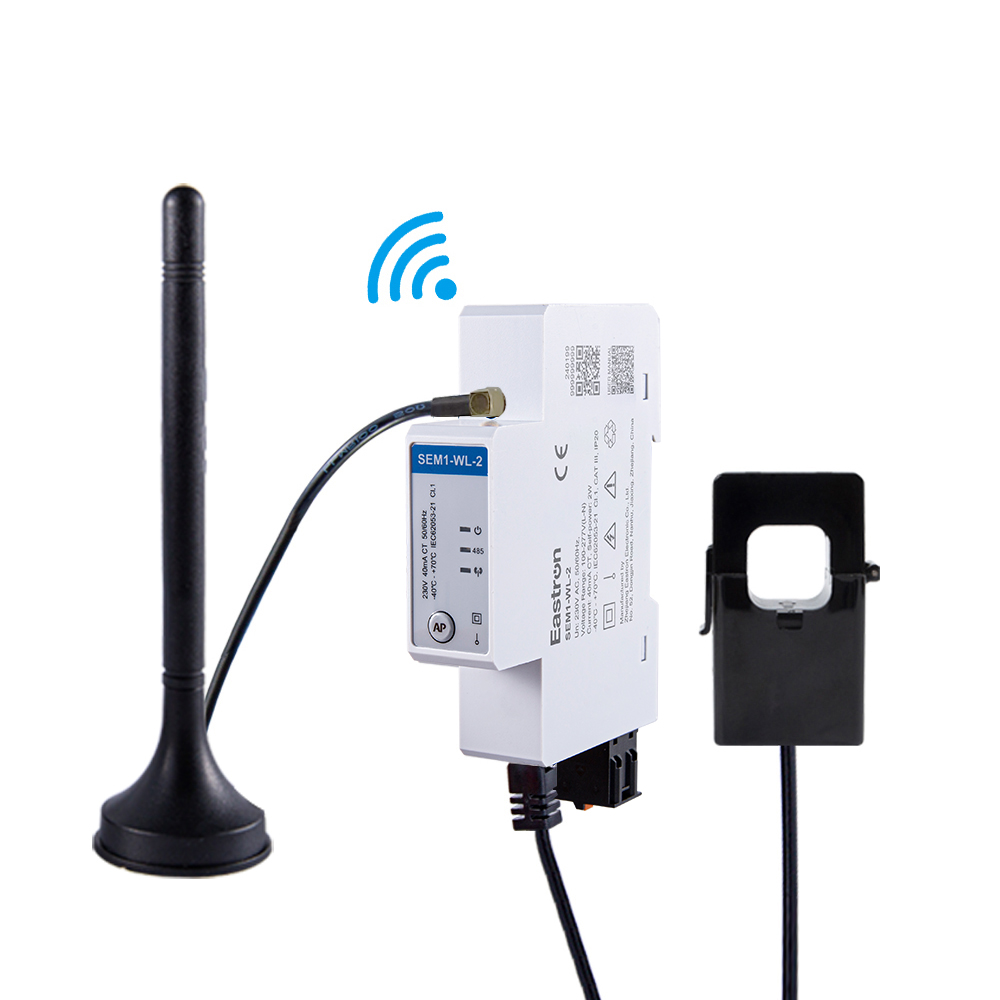
¿Qué mide un medidor de energía multifunción y por qué es importante?
Jul 17,2026Su dirección de correo electrónico no se publicará. Campos obligatorios marcados *

Desarrollamos y producimos medidores de alto rendimiento, Analizadores de potencia, sensores de corriente, módulos de comunicación y sistemas de gestión. Fabricantes y fábricas de instrumentos inteligentes personalizados en china.
Dirección:NO 52, Dongjin Road, Nanhu, Jiaxing, Zhejiang, China
Derechos de autor @ Eastron Electronic Co., Ltd. Todos los derechos reservados
